
Spring Meeting
May 23-25, 2023
Vinoy Autograph Collection Hotel
St Petersburg, FL
Recorded Meeting Proceedings
At its Spring Meeting, the Polyurethane Foam Association (PFA) recorded key sessions of the meeting. All meeting attendees receive free access to these recordings as part of their registration. If you couldn't make the meeting, you can purchase access to the recordings below.
PFA Spring 2023 Meeting
Recorded ProceedingsMeeting Sessions
Wednesday, May 24
Industry Issues Session
2-5 pm
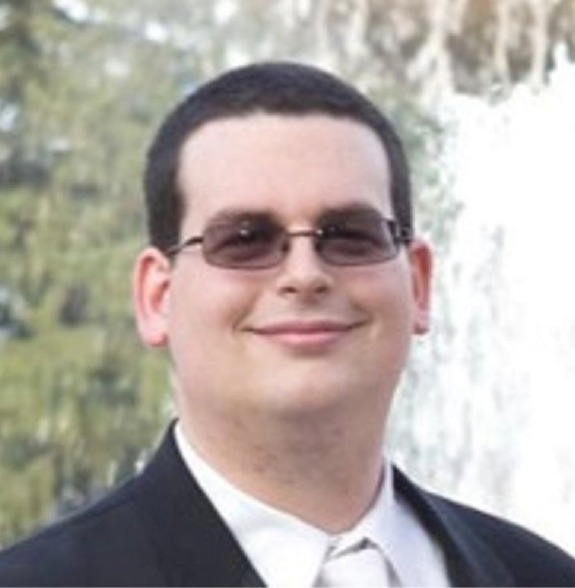
Isocyanates Update
Stephen Martin
BASF
An update on topics affecting isocyanates from the American Chemistry Council's Diisocyanates Panel.
Speaker Biography
Stephen Martin is a Senior Product Steward with BASF Corporation representing their Chemical Monomers division including diisocyanates, inorganics, and polyamide chemistries. He has been with BASF for twelve years with various roles in R&D and technical service for polyacrylic dispersions and CASE urethane raw materials. Currently, Stephen leads the product risk characterization and strategic EHS forecast for the monomers business and is involved in their sustainability efforts, managing existing and emerging regulations, as well as educating customers on the proper safe handling and use of their products.
Additionally, Stephen represents BASF as a member of the American Chemistry Council Diisocyanate Panel and the Environmental Advisory Group of the International Isocyanate Institute which provide advocacy and scientific research for the diisocyanates industry respectively.

Legal Counsel Report
Jim McIntyre
McIntyre & Lemon
PFA's Legal Counsel provides an overview of legal and regulatory issues affecting the flexible polyurethane foam industry.
Speaker Biography
Mr. McIntyre, a native of Vidalia, Georgia, received an A.A. degree from Young Harris College in 1959, a B.A. from the University of Georgia in 1963, and a J.D. from the University of Georgia School of Law in 1963. He is a former Director of the U.S. Office of Management and Budget. He represents clients in general corporate matters and trade association law and on legislative and regulatory issues in banking, insurance, finance, tax, and environmental areas. He is a member of the District of Columbia Bar and the State Bar of Georgia. He is admitted to practice before the U.S. Supreme Court and the U.S. Court of Military Appeals.

Carpet Cushion Update
Bob Clark
Executive Director
Carpet Cushion Council
Discussion of floorcovering industry sales trends, regulatory challenges to the bonded carpet cushion market, and other issues.
Speaker Biography
Bob Clark is Executive Director of the Carpet Cushion Council. The CCC represents the North American carpet cushion industry as an advocate and an educator. As the industry resource for answers to carpet cushion-related questions, the Carpet Cushion Council educates carpet retailers, manufacturers, distributors, and cushion manufacturers about the benefits of carpet cushion. Ultimately, the Carpet Cushion Council’s objective is to provide carpet retailers with tools necessary to improve communication with customers and increase overall sales.

Commercial Furniture Report
Anthony Serge
Technical Director Safety and Performance
Business & Industrial Furniture Manfacturers' Assoc. (BIFMA)
A review of regulatory issues, product innovation, and sales/distribution channel changes affecting the commercial furniture industry.
Speaker Biography
Anthony has more than 15 years of experience as a safety and performance testing professional in the furniture industry. He currently leads BIFMA’s Safety and Performance programs including the BIFMA Compliant Registry, which is an industry-wide registry of furniture products that conform to BIFMA safety and durability standards.
Prior to joining BIFMA, Anthony worked as a performance and safety engineer for Underwriters Laboratory – A third-party Auditor, Certifier, and Test lab. In this role he worked with clients to certify products to UL Safety standards and evaluate products to a multitude of performance standards from around the world.
Anthony served as the Furniture Department Manager at Intertek, another third-party test lab, for 10+ years. During that time Anthony oversaw several lab expansion projects, including the development and implementation of a fully accredited packing test lab. Beyond furniture testing, Anthony oversaw the development of custom programs to suit the needs of medical furniture and retail products. As a volunteer to BIFMA, he participated in all of BIFMA’s performance standard subcommittees, including the ISO committees and participated in workshops in Sweden and Shanghai as well as Plenary meetings in Shanghai.
He is a graduate of Western Michigan University with a Bachelor’s in Manufacturing Engineering.

Automotive Report
Mike Jackson
Executive Director, Strategy And Research
MEMA, The Vehicle Suppliers' Association
An update on the automotive industry's recovery from COVID, and a look at supply chain issues and other industry trends.
Speaker Biography
Mr. Jackson leads the association’s data compilation and analytics, identifies and researches industry trends, produces relevant analysis, and represents OESA at various speaking engagements as a subject matter expert regarding economic and related industry trends and analysis.
Mr. Jackson has more than 20 years of progressive experience in strategic planning, market forecasting and management consulting. Most recently, Jackson directed the vehicle production forecasting practice in North America at IHS Markit where he was responsible for sharing trusted insight and fostering enduring relationships across a diverse global client base of automakers, suppliers and stakeholders.
Mr. Jackson holds a bachelor of science in business, management strategy from Eastern Michigan University and a master of business administration in international business from Wayne State University. Jackson gained vital international industry experience during a multi-year stay, living and working in Germany, developing language fluency.

Technical Committee Report
Bobby Bush, Jr.
PFA Technical Committee Chair
(Past President, PFA)
An update on PFA Technical Committee activities.
Speaker Biography
Bobby Bush Jr. serves as Technical Committee Chair for PFA and Technical Director for the Upholstered Furniture Action Council (UFAC). Though he remains active in many foam industry activities (ASTM, NFPA, UFAC, AFPF (CertiPUR-US)), he recently retired – after 45 years – from Hickory Springs Manufacturing Company. During the years his roles evolved from Sales Trainee to Senior Vice President of Foam Technology. Bush wass responsible for the development and advancement of new foam products and technologies and for overseeing environmental and regulatory compliance at all company facilities.
Bush has been instrumental in developing some of the most important initiatives in the flexible polyurethane foam industry. He is a graduate of Duke University, with a degree in Business Administration and Management. He is a many-times past President of PFA.
Sustainability Committee Report
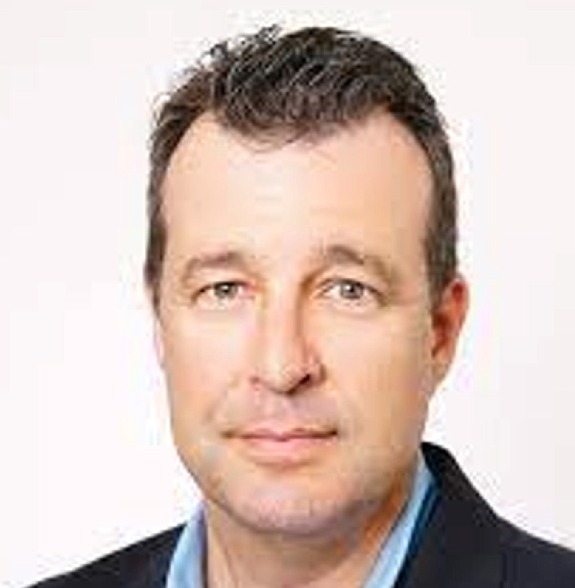
Chris Bradley
Committee Chair
NCFI Polyurethanes
A report on the initial work of PFA's Sustainability Committee.
Speaker Biography
Chris Bradley manages all sales and marketing for NCFI Polyurethanes, with special emphasis on Consumer Bedding. Responsibilities include budgeting, strategic planning and national account management. P&L responsibilities include contract negotiations with both customers and suppliers. Bradley has also been actively leading NCFI’s renewable content program since 2010. His duties at NCFI include the management of all waste streams that can be recycled including foam, plastic and cardboard. Additionally, he is part of NCFI’s management committee which oversees the company’s sustainability projects such as converting forklifts to electric power. He also serves on the ISPA Sustainability Committee.
Supply Chain Issues
Rosemary Coates
Executive Director
Reshoring Institute
"Building A More Resilient Supply Chain," a discussion on nearshoring and other supply chain strategies.
Speaker Biography
Ms. Coates is the Executive Director of the Reshoring Institute and the President of Blue Silk Consulting. She is a seasoned executive with an MBA, 25 years’ experience in Supply Chain Management, Operations Management, Project Management and Systems Consulting. Prior to BSC, she was a Senior Director at SAP, the Supply Chain Practice Leader at KPMG Peat Marwick and at Answerthink, and a Regional Manager at Hewlett-Packard. Ms. Coates has consulted with global and domestic clients, VCs and PE firms on operations systems and processes. She has considerable international experience and has worked for extended periods in Asia and Europe. Her experience spans a broad range of industries including High Technology, Software, Chemicals, Health Care, Consumer Products, Industrial Products, Food Distribution, Transportation, Publishing, Retail, Oil and Gas. She has extensive knowledge and experience in manufacturing and outsourcing in Asia, Europe and the US. She has authored an Amazon.com Best Seller book: 42 Rules for Sourcing and Manufacturing in China, 42 Rules for Superior Field Service and is particularly excited about Reshoring Guidebook.
Ms. Coates in a member of the Board of Directors at the University of San Diego Supply Chain Management Institute. She earned a BS in Business at Arizona State University and an MBA at the University of San Diego. She resides in Silicon Valley.
Thursday, May 25
Technical Session
2:00-5:00 PM
Technical Committee Chair
Bobby Bush, Jr.
(Past President, PFA)
Speaker Biography
Bobby Bush Jr. serves as Technical Committee Chair for PFA and Technical Director for the Upholstered Furniture Action Council (UFAC). Though he remains active in many foam industry activities (ASTM, NFPA, UFAC, AFPF (CertiPUR-US)), he recently retired – after 45 years – from Hickory Springs Manufacturing Company. During the years his roles evolved from Sales Trainee to Senior Vice President of Foam Technology. Bush wass responsible for the development and advancement of new foam products and technologies and for overseeing environmental and regulatory compliance at all company facilities.
Bush has been instrumental in developing some of the most important initiatives in the flexible polyurethane foam industry. He is a graduate of Duke University, with a degree in Business Administration and Management. He is a many-times past President of PFA.

Session Moderator
Bill Gollnitz
Plastomer Corp.
(Immediate Past President, PFA)
Speaker Biography
Bill Gollnitz has more than 40 years’ experience in the flexible polyurethane foam industry. For more than 20 years, he has been Technical Director at Plastomer Corporation. Prior to that, he held group management positions at ARCO Chemical Company and Olin Chemical. He began his career in the foam industry with Firestone Foam. He has a deep understanding of how chemistry, manufacturing and suppliers can work together to advance the polyurethanes industry. He is a Past President of PFA, and currently serves on PFA’s Executive and Technical Committee. Gollnitz holds a B.A. in chemistry from Lipscomb University and an MBA from Bryant University.
Technical Presentation Abstracts
Redeeming Carbon: CO2-Based Polyols for Polyurethane Applications, Liz Manning, Econic Technologies
For heavy emission industries, like construction and chemicals, carbon capture and storage is a tool to offset emissions, but these technologies are typically expensive, do not generate value and cannot be implemented everywhere. Carbon capture and utilization, however, is significantly more attractive, especially when the transformation of CO2 adds value to existing industry. Econic’s proven technology enables polyol producers to do just this, today.
Econic’s innovative catalyst technology allows captured waste CO2 to be used as a raw material for a range of polyols, replacing up to 50% of traditional oil-based feedstocks, in a low-energy, low-cost process. Here we present the particular properties of these CO2 containing polyols and their use in a range of polyurethane products, from slabstock and foam applications (such as mattresses, automotive seating and interior trims, furnishings, and insulation boards), and CASE applications (such as adhesives and coatings in the textiles arena).
Econic’s technology offering three pillars of added value to the product and the industry:
- Economic: CO2 is an order of magnitude cheaper, and less volatile in price, than traditional oil-based feedstocks. Furthermore, Econic’s technology operates at low pressures and temperatures, so can be retrofitted onto existing manufacture assets, and means it has low-cost entry to market.
- Environmental: Our LCA concluded that for every ton of CO2 that is used as a raw material in polyol manufacture, a minimum of three additional tons of CO2 emissions are avoided.
- Performance: The CO2 content in the polyol can be selected to enhance the performance of polyurethane articles.
In contrast to many ‘green’ chemical technologies, Econic’s offers a unique combination of economic, technical, and environmental performance benefits to industry and consumer.
Speaker Biography:
Liz Manning holds masters degree in both chemistry and business administration. She has worked in the chemical industry for 16 years, first with zirconium based chemistry for engineering materials and catalyst supports, then moving to a Unilever spin-out company; Catexel. Catexel’s technology was based on transition metal-based oxidation catalysts, aiming to replace harmful materials or allow existing processes to operate under more benign conditions. Liz joined the Econic team in 2022 to help accelerate the commercialization of their CO2 utilisation technology.
Harmonizing Test Methods to Measure VOC Emissions from Polyurethane Foam used in Automotive Interiors, Furniture and Bedding, John Sebroski, Covestro
This paper will discuss the status of harmonizing methods for measuring volatile organic compounds (VOC) emissions from polyurethane foams used in automotive interiors, furniture and bedding. Currently, there are several methods that describe how to measure emissions from materials including ASTM International, ISO, SAE International, automotive OEMs and certification programs such as CertiPUR-US®. However, these methods are often ambiguous and conflict with each other, which can cause confusion and increase the variability of the test results.
The Molded Polyurethane Foam Industry Panel has been pursuing a “VOC Roadmap” to provide recommendations and define best practices for measuring VOC emissions from automotive interior flexible molded polyurethane seating foam. Several standards were collaboratively reviewed for consistency and sources of ambiguity that could bias the emission results. These data formed the foundation to begin developing a standard by the SAE VOC Committee, Work In Progress J3233, Harmonization of Test Methods to Measure VOCs from Polyurethane Foam used In Automotive Interior Cabins. The proposed industry standard will address the interests and requirements of OEMs and other stakeholders.
CertiPUR-US® is a product certification program to demonstrate that flexible polyurethane foam meets standards for content, emissions, and durability. Its technical guidelines for emission testing reference several ISO standards including ISO 16000-6 Determination of organic compounds (VVOC, VOC, SVOC) in indoor and test chamber air by active sampling on sorbent tubes, thermal desorption and gas chromatography using MS or MS FID. This standard was revised in 2021 to allow the use of multi-sorbent tubes to improve the recovery of volatile organic compounds. The revised standard also provides several new options to calculate total volatile organic compounds (TVOC), which is a parameter required to pass the certification. The changes to the ISO standard will be discussed along with their potential impact to the technical guidelines for measuring emissions for CertiPUR-US®.
Speaker Biography:
John Sebroski is Head of the Environmental Analytics group for Covestro LLC in Pittsburgh, Pennsylvania and has worked at Covestro for 35 years. John received a B.S. in Chemistry from West Liberty University and a M.S. in Environmental Science and Management from Duquesne University. John is the chair of the SAE International VOC Committee, and he serves on several technical committees including CertiPUR-US® Emissions Workgroup, ISO International, ASTM Committee D22 on Air Quality and the Molded Polyurethane Foam Industry Panel.
Overview and Importance of Antioxidant Use in Slabstock Polyurethane Foam for use in Furniture and Bedding, John Hayes, Susan McVey, Nick Boes, Covestro
This presentation will provide an overview of antioxidant use in slabstock polyurethane foams for the furniture and bedding industry. Antioxidants are important not only for the shelf-life stability of polyols used in the foam manufacturing process, but also for the resulting foam quality and for plant safety. The reaction of water and polyols with isocyanates in the foam making process is very exothermic, which can lead to discoloration, scorch, and potential fires. Slabstock foams typically reach internal temperatures in the range of 140°C to 170°C and can remain hot for 24 hours or longer due to the insulative properties of foams.
Depending on the application, certain polyols may only contain a minimal amount of antioxidant to ensure product quality for storage, but not enough to protect the resulting foam from scorch or fire. The antioxidant formulations in the FPF market have changed over the years.
Most recently, the supplier of a common antioxidant changed its GHS hazard classification from not classified (not hazardous) to a Category 2 reproductive toxin. Safety Data Sheets and labels for polyols exceeding 1000 ppm of this antioxidant were affected. Covestro is currently testing different antioxidants to target a non-hazardous classification for our polyols and to maintain the quality of both the polyols and the resulting foams.
Antifungal Test Methods, Jesse Turmenne, Microban International
Degradation of materials by microorganisms is a major problem that can impact various aspects of materials including physical properties and aesthetics. Antimicrobials are used to protect the materials, but evaluating the antimicrobial effectiveness is challenging. Currently, there are few test methodologies that are routinely used that accommodate a complex substrate such as polyurethane foam.
This presentation will look into these test methodologies and their ability to assess these types of degradation focusing on their limitations, relevance, strengths, and overall assessment of antifungal properties in polyurethane foams. Test methods will include AATCC 30, AATCC 100, ASTM G1, ASTM E1428, and ASTM E2180.
Speaker Biography:
As a Senior Microbiologist at Microban International, Jesse Turmenne conducts microbiological research and testing with a focus in supporting the innovations team to develop next generation products and services. Jesse supports Microban and their customers by developing, modifying and testing various test methods for innovative products that routinely fall outside the scope of traditional test methodologies. Over the course of his 13-year tenure at Microban, Jesse has been a member of ASTM, AATCC and ISO committees developing and collaborating on test methods that shape the sanitization/disinfection, textile, polymer and antimicrobial industries. While supporting the innovations team at Microban, Jesse has worked alongside various high-level organizations, including the EPA, developing test methods and products that are registered worldwide.
Prior to joining Microban, Jesse was a Quality Controller and Microbiologist at Whatman Filter Paper, a subsidiary of GE Healthcare and Life Sciences.
Jesse holds a bachelor’s degree of science in Microbiology from The University of Maine.
Sustainability Certification for FPF Supply Chains Using ISCC PLUS, Peter Hawighorst, International Sustainability and Carbon Certification (ISCC) Program
The circular economy and the bioeconomy continue to grow, advancing the goals of reducing dependence on virgin fossil resources, and reducing GHG emissions. In Europe and North America, legal framework requirements like climate neutrality targets, recycling quotas, plastic taxes as well as consumer preferences, company commitments and stakeholder pressure are further driving the circular economy. CertiPUR-US®, which has historically certified FPF for chemical content and emissions, recently moved to certify bio-content.
Along complex supply chains, chain of custody concepts like mass balancing ensure the credible connection of sustainability information to the materials and products in commerce, which is critical to the reputation of the companies involved. Companies, including FPF producers, are increasingly relying upon the International Sustainability and Carbon Certification (ISCC) scheme. ISCC is used by more than 7,000 companies worldwide, across entire supply chains from the point of origin of the initial petrochemical and chemical raw materials to converters, plastic producers and brand owners. ISCC provides credibility and acceptance for both B2B partners and consumers, and can potentially be used for reporting under regulatory frameworks or voluntary initiatives.
ISCC operates different schemes, which now include ISCC PLUS, a voluntary certification program for the circular economy and the bioeconomy. ISCC permits mass balancing. which allows companies to co-process sustainable and non-sustainable feedstocks. This presentation will provide an overview on ISCC and ISCC PLUS, its sustainability and traceability requirements, ways to get certified under ISCC and benefits for ISCC certified companies.
Speaker Biography
Peter Hawighorst is a project manager at the International Sustainability and Carbon Certification (ISCC) program. Before joining ISCC, he studied agricultural sciences at the University of Bonn and received a Ph.D. in forest sciences from the University of Goettingen. Afterwards he worked as a scientific coordinator at the Büsgen-Institut of the University of Goettingen. Dr. Hawighorst was part of the team that developed the ISCC PLUS approach and since then is supporting companies with the implementation of ISCC PLUS within supply chains in the chemical industry.